
Cardiac coherence: the anti-stress method that works
Cardiac coherence consists of breathing at a precise rate, about six times a minute for five minutes, to bring the autonomic nervous system back towards a…
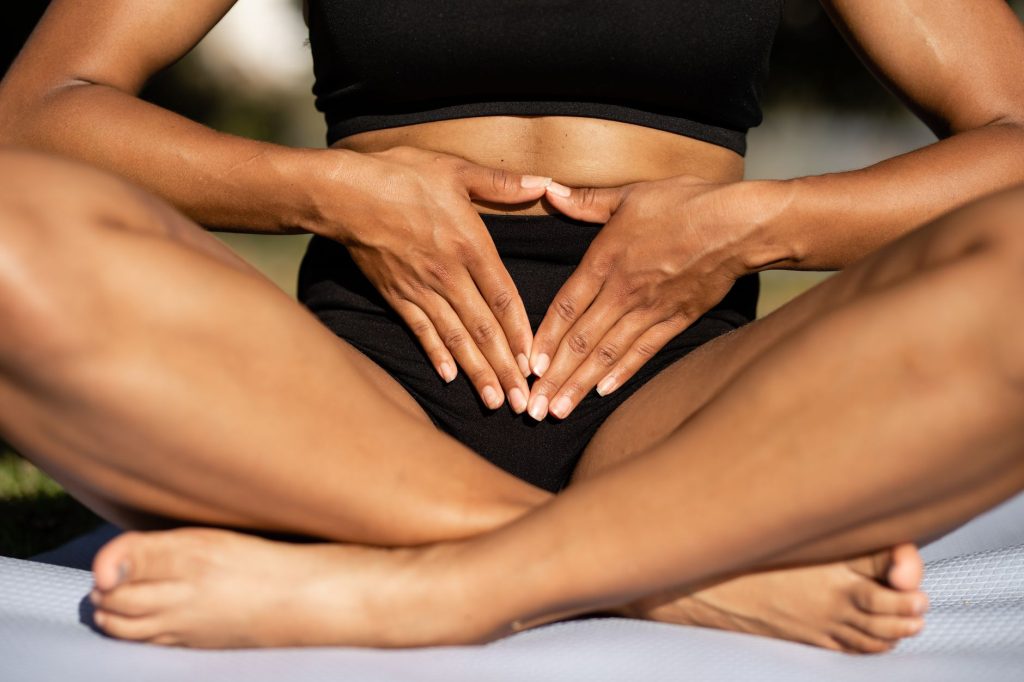
By Benjamin Sant · Updated 1 October 2026
Cardiac coherence consists of breathing at a precise rate, about six times a minute for five minutes, to bring the autonomic nervous system back towards a state of calm. Concretely, it reduces cortisol secretion, slows the heart rate and improves heart rate variability, a recognised indicator of the body’s capacity to recover. It does not remove the source of stress, a difficult case or an excessive workload remain intact, but it changes the physiological response to that load. Practised several times a day, it works as an accessible recovery lever, with no complex equipment, available in the middle of a working day.
An executive who has been chaining meetings since seven in the morning, who answers messages during lunch and goes to bed still connected lives in a permanent state of alert without always realising it. The body interprets that accumulation as a continuous threat and keeps cortisol and adrenaline levels high, long after the danger has actually ended. That chronic tension eventually settles elsewhere: fragmented sleep, rising blood pressure, disturbed digestion, irritability at the end of the day. Cardiac coherence speaks precisely to that profile, someone who has no time to stop for long but who can free five minutes, three times a day, to break that cycle before it becomes permanently established.
How does breathing act on stress?
Breathing acts on stress by directly changing the activity of the autonomic nervous system, the part of the nervous system that regulates heart rate, digestion and blood pressure without conscious intervention. Two branches permanently oppose each other: the sympathetic system, which mobilises the body for action and alert, and the parasympathetic system, which brings the body back towards rest and recovery. In prolonged stress, the balance leans too often towards the sympathetic side, and the body no longer receives the signal to relax. Slow, regular breathing, in particular an exhalation slightly longer than the inhalation, stimulates the vagus nerve and tips the balance towards the parasympathetic side.
This mechanism is not a subjective sensation, it can be measured. Heart rate variability, meaning the slight variation in the time between two successive beats, increases when the parasympathetic system takes over again. High variability reflects a good capacity of the heart to adapt to demands, while low, flat variability often signals a nervous system still under tension. Work on heart rate variability biofeedback shows an effect on recovery after effort, whether physical or mental, with improved recovery indicators after regular guided breathing sessions, as described in a study published in Applied Psychophysiology and Biofeedback in 2025.
That effect builds up gradually. In a first session, many practitioners mainly feel a sensation of slowing down, almost mechanical, without a marked emotional effect. With repetition, the body learns to find that state of calm faster, including outside sessions, for example just before a tense presentation or after a difficult exchange with a colleague. That relearning resembles muscle training: the autonomic nervous system becomes more reactive and more supple, provided it is challenged regularly and not only during peaks of tension.
Which breathing rhythm should you adopt, and how often?
The recommended rhythm is around six full breaths a minute, meaning about five seconds of inhalation followed by five seconds of exhalation, over a five-minute session. That rhythm is not arbitrary: it corresponds to the frequency at which resonance between heart rate and breathing rate reaches its maximum in most adults. Beyond that resonance point, the effect on heart rate variability decreases, hence the value of respecting that tempo rather than breathing faster or slower according to how you feel at the time.
Daily frequency counts as much as the technique itself. The most often recommended format is three five-minute sessions spread across the day, for example on waking, in the middle of the day before a busy period, and in the evening before bed. That distribution keeps cortisol at a more stable level across the whole day, rather than seeking an isolated one-off effect. A single daily session produces a more modest and less lasting effect, because the body quickly returns to its initial tension level once the working day resumes.
In practical terms, a visible clock or simple mental counting is more than enough to start, no device is essential. Guided breathing apps or heart rate sensors make tracking over time easier and help you stay consistent, a real asset for someone who easily forgets good intentions during overloaded periods. The choice of support matters less than consistency: five minutes three times a day, practised over several weeks, produce a clearer effect than irregular practice of twenty minutes every other day.
| Marker | Unit | Optimal zone | Alert zone | Source |
|---|---|---|---|---|
| Breathing rate in cardiac coherence | breaths per minute | around 6 | above 12 at prolonged rest | Appl Psychophysiol Biofeedback, 2025 |
| Session length | minutes | 5 | under 2 | Appl Psychophysiol Biofeedback, 2014 |
| Daily frequency | sessions per day | 3 | 0 to 1 irregularly | Appl Psychophysiol Biofeedback, 2025 |
| Heart rate variability | relative indicator | high and stable | low and flat | J Funct Morphol Kinesiol, 2023 |
What benefits can you expect for sleep and recovery?
The most frequently reported benefits concern sleep onset and sleep quality, particularly in people whose mind keeps turning once they are in bed. A cardiac coherence session practised in the thirty minutes before bed helps lower heart rate and reduce mental activity, and that favours faster sleep onset. That benefit is not a single solution if sleep remains disturbed beyond a few weeks: other factors, such as the timing of light exposure or caffeine intake late in the day, play an equally decisive role and deserve to be examined in parallel.
On physical recovery, work carried out after aerobic efforts shows that heart rate variability biofeedback speeds up the return to a cardiovascular resting state, a relevant point for anyone combining a demanding professional pace with regular sport. A study published in the Journal of Functional Morphology and Kinesiology in 2023 on young athletes observes favourable effects on perceived recovery and on the stress state felt, after introducing a cardiac coherence protocol as a complement to training. The mechanism remains the same as at rest: favour parasympathetic relaxation rather than staying stuck in prolonged sympathetic tension.
You sometimes arrive with an entirely normal blood panel and yet fatigue that will not lift, a feeling of permanent tension with no identifiable cause in standard lab results. In that kind of situation, looking at heart rate variability and sleep times often reveals a nervous system still on alert, well before a single blood marker reveals it in turn. Introducing structured breathing practice, combined with work on sleep times, then makes it possible to correct that imbalance gradually, without waiting for it to show up as frankly abnormal values.
An example of a programme focused on recovery
Isabelle, 72, a physiotherapist still in practice, consulted for a feeling of tension in her chest at the end of the day and frequent awakenings around three in the morning, without managing to fall back asleep easily. The initial assessment showed elevated evening salivary cortisol compared with expected reference points at that hour, and clearly reduced night-time heart rate variability, a sign of a nervous system still in demand well after the end of her day of consultations. Three levers were put in place: two five-minute cardiac coherence sessions a day, one at the end of the morning between two patients and the other before bed, stopping work screens after eight in the evening, and a twenty-minute walk outside in the middle of the day. After twelve weeks, evening salivary cortisol had returned to a zone more consistent with the time of measurement, and night awakenings had gone from an almost daily frequency to two or three times a week. The change remains gradual and specific to her situation, but it shows how a simple lever, applied consistently, changes concrete markers over several weeks. To go deeper into the link between that kind of marker and prolonged stress, the article on chronic stress visible on a blood test details the values to watch.
What should you do if practice is not enough to calm anxiety?
If anxiety persists despite regular practice, the first thing to do is not to keep struggling alone with a single technique for months hoping for a delayed effect. Cardiac coherence acts on the physiological regulation of stress, but it does not treat an established anxiety disorder, depression or symptoms suggesting post-traumatic stress, situations that require specific medical care. The Inserm file devoted to post-traumatic stress disorders notes that these situations require a clinical assessment and, often, structured care, well beyond a respiratory self-regulation tool, as the Inserm file on post-traumatic stress disorders sets out.
In less severe but equally uncomfortable contexts, such as performance anxiety before a professional deadline or repeated night-time rumination, cardiac coherence remains a relevant tool alongside other approaches, in particular work on sleep hygiene and on managing mental load during the day. Work carried out in perioperative settings also shows the value of heart rate variability biofeedback as non-drug support in acute stress situations, according to a narrative review published in the Turkish Journal of Anaesthesiology and Reanimation in 2024. That logic of complement, not substitute, must remain the rule when symptoms exceed simple passing tension.
One signal to watch particularly is the persistence of symptoms despite three to four weeks of regular practice and corrections to sleep and physical activity. If nothing moves, or if anxiety comes with frequent palpitations, chest pain or a marked loss of appetite, a medical appointment is required without delay, to rule out an organic cause and point towards suitable care. Cardiac coherence then keeps its full place, but alongside medical follow-up, never as a replacement for it.

How do you build this practice into your schedule for good?
Building cardiac coherence into your life for good means above all attaching it to landmarks that already exist in the day rather than adding another task to an already saturated diary. Many practitioners choose to link it to a fixed moment: just after the morning coffee, before the first meeting of the day, or just before switching the light off at night. That association with an established ritual reduces the risk of forgetting and turns the practice into a habit rather than an act of willpower renewed every day. Work carried out in recovery settings, notably in support programmes after periods of heavy load, shows that practice built into a stable daily routine holds up better over time than practice dependent on the motivation of the moment, as a study published in the Journal of Substance Abuse Treatment in 2018 suggests.
The question of tracking also deserves to be asked clearly. Without an objective reference point, it is hard to know whether the practice produces a real effect or whether the improvement felt is mainly due to other changes happening in parallel, better sleep or a temporarily lighter workload. Structured follow-up, combining sleep observation, occasional measurement of heart rate variability and regular assessment of the tension felt, separates the effects specific to breathing practice from effects linked to other factors. That kind of follow-up connects to a broader approach to hormonal and nervous balance, covered notably in the article on cortisol and the received ideas around it.
For an executive or manager whose diary leaves little room, the realistic route comes down to three steps: set two or three fixed five-minute slots in the day, choose a simple support to keep to the rhythm of six breaths a minute, then observe over four to six weeks how sleep and end-of-day tension evolve. If that change stays limited, or if it comes with other signals such as persistent fatigue despite decent sleep, a fuller assessment makes it possible to objectify the situation with precise markers rather than relying only on how you feel. That is exactly the purpose of the assessment offered by Elite Longevity, a structured starting point to place your level of stress and recovery before building an action plan suited to your pace of life.
Sources
- The Effect of Heart Rate Variability Biofeedback on Recovery After Aerobic Exercise, Applied Psychophysiology and Biofeedback, 2025
- Asynchronous Heart Rate Variability Biofeedback Protocol Effects on Adolescent Athletes’ Cognitive Appraisals and Recovery-Stress States, Journal of Functional Morphology and Kinesiology, 2023
- Exploring Heart Rate Variability Biofeedback as a Nonpharmacological Intervention for Enhancing Perioperative Care: A Narrative Review, Turkish Journal of Anaesthesiology and Reanimation, 2024
- Assessing heart rate variability biofeedback as an adjunct to college recovery housing programs, Journal of Substance Abuse Treatment, 2018
- Post-traumatic stress disorders file, Inserm
Going further
Frequently asked questions
What exactly is cardiac coherence?
It is a voluntary breathing technique, generally six breaths a minute for five minutes, that synchronises heart rate with breathing rate. That synchronisation activates the parasympathetic nervous system, the one that slows the heart and calms the body after a period of tension or heavy mental load.
Does cardiac coherence really work against stress?
Several studies show a measurable effect on heart rate variability and on recovery after physical or mental effort. The effect is neither instant nor universal, but consistency of practice, daily rather than occasional, largely determines the results observed in practitioners.
Can you practise cardiac coherence without an app or a device?
Yes, a simple clock or mental counting is enough to breathe at a regular rhythm, about five seconds of inhalation and five seconds of exhalation. Apps and sensors make tracking over time easier, but they are not essential to start an effective practice.
How long and how many times a day should you practise?
The classic format is three five-minute sessions a day, for example on waking, before lunch and before bed. The first effects on the feeling of calm often appear within one to two weeks, with a more stable change after several weeks of regular practice.
Can cardiac coherence replace treatment for anxiety?
No, it replaces neither treatment nor medical follow-up in cases of marked anxiety, severe sleep disorders or symptoms suggesting post-traumatic stress disorder. It can accompany care, but any lasting worry deserves to be discussed with a doctor.
How do you know whether the practice is producing a real effect on you?
Observing simple signs is enough at first: faster sleep onset, fewer night awakenings, a feeling of calm after a tense meeting. To go further, some biological markers linked to chronic stress can be tracked over time with the help of a professional.
Latest from the blog
Read next
 Chronic stress: five blood markers that give it away
Prolonged stress leaves measurable traces on an ordinary blood test: fasting blood glucose rising slowly, triglycerides climbing while HDL falls…
Read the article
 Insulin resistance: Jérôme Perottet explains the mechanism
Jérôme Peroté, physiotherapist and nutritionist, explains why insulin resistance affects even people who eat little sugar, and how to detect…
Read the article
 Stem cells: Christian Drapeau’s secret to repair
Christian Drapeau, a neurophysiology researcher, explains how to stimulate your own stem cells to slow ageing naturally.
Read the article