
 Nutrition
Eating well when the days run over: three pillars
Eating well with twelve-hour days does not require more time, it requires fewer decisions. Antoine is 52 and runs a consulting firm in Lille.
Read the article
 Sleep
Sleep after 45: seven hours is a floor, not a target
Sleep cannot be caught up later and cannot be negotiated: it directly conditions muscle mass, insulin sensitivity, blood pressure, memory and the…
Read the article
 Mind
Chronic stress: five blood markers that give it away
Prolonged stress leaves measurable traces on an ordinary blood test: fasting blood glucose rising slowly, triglycerides climbing while HDL falls…
Read the article
 Movement
How many sessions a week after 45, honestly
Three sessions a week is the best compromise for an executive over 45 with a saturated diary: two strength sessions and one endurance session, about two…
Read the article
 Longevity
Silent inflammation: spotting it on a blood test
Silent inflammation is a low-intensity immune reaction that lasts for months or years without pain, without redness and without fever.
Read the article
 Longevity
Reading your blood test after 45: normal is not optimal
A value described as normal on a blood test means one thing only: it sits within the interval where 95 per cent of the laboratory's reference…
Read the article
 Nutrition
Protein after 50: how much a day, how much a meal, and why
After 50, aiming for 1.2 to 1.6 grams of protein per kilo of body weight per day, spread over three meals each containing at least 30…
Read the article
 Nutrition
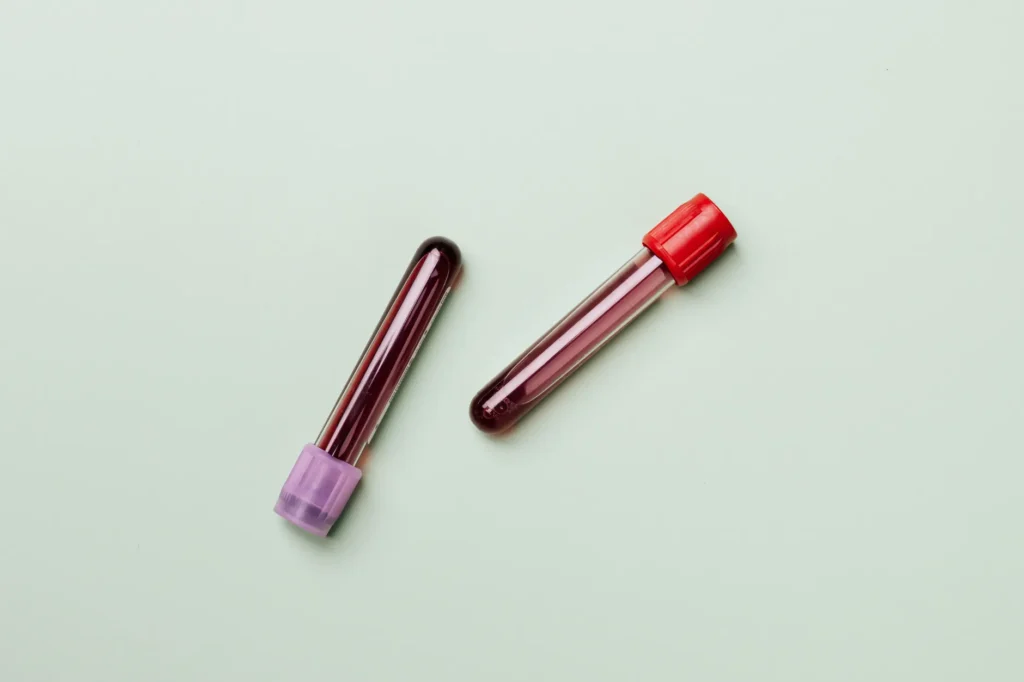
LDL cholesterol: understanding it and acting on it
LDL cholesterol is a lipoprotein that carries cholesterol from the liver to the body's cells, and its excess encourages plaques to build up in the artery…
Read the article
 Nutrition
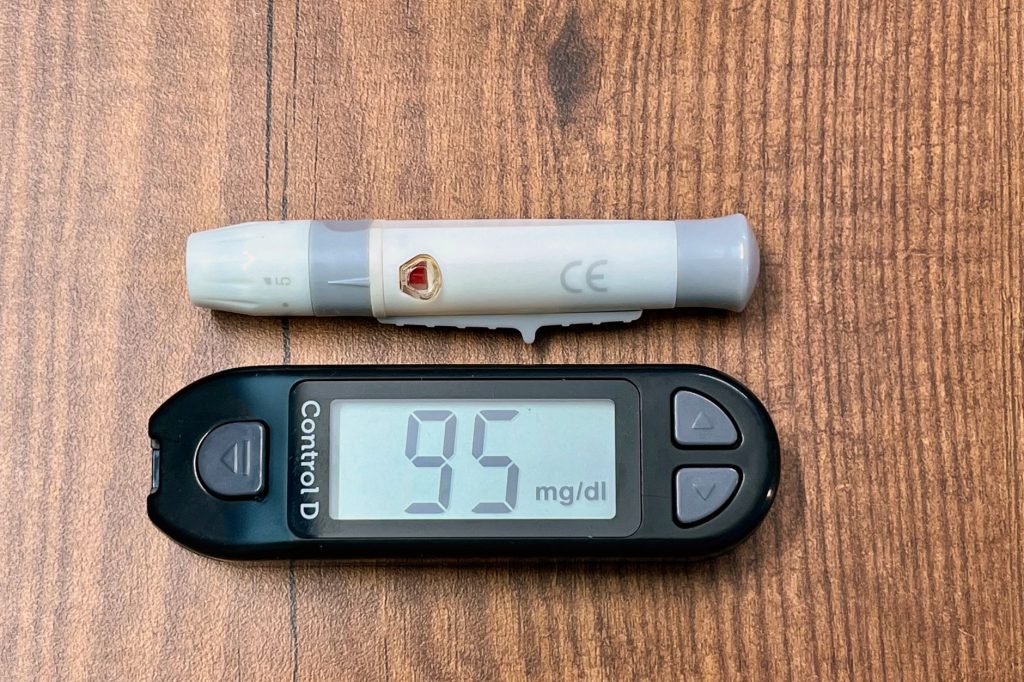
Fasting blood glucose: the thresholds to know
Normal fasting blood glucose sits between 0.70 and 1.00 grams per litre of blood in an adult with no known condition.
Read the article
Par où commencer
Si tu arrives ici sans savoir quoi lire, commence par mesurer. Un chiffre de départ vaut mieux que dix articles lus dans le vide, parce qu'il donne un point de comparaison pour la suite.
Le calculateur de VO2 max demande douze minutes et une distance. Le calculateur de zones cardiaques te dit ensuite à quelles pulsations t'entraîner pour le faire monter. Les deux sont gratuits et calculent dans ton navigateur.
Ce que tu trouveras dans chaque thème
Mouvement. Comment construire une base d'endurance quand on a un agenda plein, pourquoi la régularité bat l'intensité sur la durée, et ce qui casse les gens qui reprennent trop vite.
Nutrition. Les quantités qui changent vraiment quelque chose, et celles dont on parle beaucoup pour un effet marginal. Les repères sont donnés en grammes et en portions, pas en principes.
Mental. La gestion de la charge, du stress chronique et de la fatigue décisionnelle. C'est souvent ce qui fait abandonner un programme, bien avant le manque de temps.
Longévité. Ce que disent les marqueurs qu'on peut réellement suivre, et ce qu'ils ne disent pas. La condition cardiorespiratoire, la masse musculaire, la qualité du sommeil.
Sommeil. Le levier le plus sous-estimé, et le seul qui dégrade tous les autres quand il manque.
Comment ces articles sont écrits
Chaque chiffre avancé vient d'une source identifiée, et quand la littérature n'est pas tranchée, c'est écrit. Le but n'est pas de donner des certitudes mais des repères utilisables, avec leurs limites.
Ces pages ne remplacent pas un avis médical. Elles servent à préparer les bonnes questions, pas à y répondre à la place d'un professionnel.