
Vitamin D: foods that reduce inflammation
The foods richest in vitamin D are oily fish (salmon, mackerel, herring, sardines), egg yolk, cod liver and a few mushrooms exposed to UV light during…
By Benjamin Sant · Updated 29 October 2026
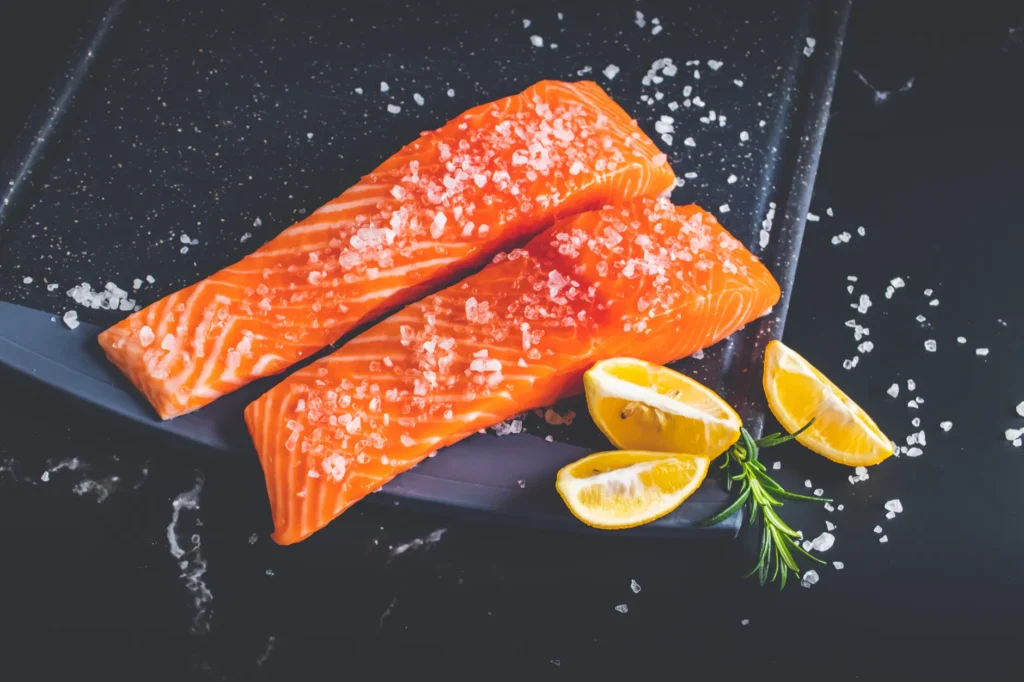
The foods richest in vitamin D are oily fish (salmon, mackerel, herring, sardines), egg yolk, cod liver and a few mushrooms exposed to UV light during cultivation. Those sources do exist, but they only solve part of the problem: even eating oily fish three times a week, an adult rarely covers all of their needs, because skin synthesis under the effect of the sun remains, for most people, the main route of supply. Diet acts as a complement, not a replacement, and that misunderstanding is precisely why so many blood panels show a low level despite a well-stocked table.
Take a situation common among the executives we follow in clinic: days spent indoors, little direct sun exposure, an otherwise decent diet, and yet a fatigue that settles in, winter infections that come back more often than usual, a diffuse feeling of joint stiffness on waking. The angle of this article is the link between dietary vitamin D intake, low-grade inflammation and immune resistance. It answers the very concrete question many readers ask: which foods to choose, in what quantity, and from which threshold should you consider something other than the plate to correct the situation.
Why link vitamin D, inflammation and food choices?
Vitamin D takes part in regulating certain immune cells, in particular lymphocytes and innate immune cells, and insufficient intake is associated with a more active inflammatory terrain. That link is documented by several recent studies showing how micronutrients of dietary origin modulate the response of innate lymphoid cells, the first lines of defence against pathogens. Diet therefore does not only act on the circulating level of vitamin D, it also indirectly influences the way the body regulates its inflammation day to day. That is a point many readers miss: choosing your food for vitamin D also means choosing a more or less reactive immune terrain.
The mechanism is documented by a review detailing the role of dietary fatty acids, the gut microbiome and several micronutrients, vitamin D among them, in regulating immune function in healthy adults, particularly in relation to physical activity (Regulation of immune function in healthy adults, Appl Physiol Nutr Metab, 2023). Oily fish, in addition to vitamin D, supply omega-3 that take part in that same regulation, which explains why they come up so often in recommendations. The link between sun, diet and blood markers is covered in detail in an article devoted to reading your vitamin D panel, useful for placing your own sun exposure against your dietary intake.
In the programme, we regularly meet people with a panel judged normal by their GP, but a persistent fatigue that nothing else explains: it is often by cross-referencing the vitamin D level with other inflammatory markers that the situation becomes clear. That cross-referencing of data, rather than a single isolated figure, shows whether diet is enough to correct the imbalance or whether another strategy is needed. That is also why a one-off panel is not always enough: the trend over time counts for more than a single value taken in winter or summer.
| Marker | Unit | Optimal zone | Warning zone | Source |
|---|---|---|---|---|
| 25-hydroxyvitamin D | ng/mL | 30 to 50 | under 20 | Front Nutr, 2025 |
| Daily dietary vitamin D intake | µg per day | varies with age | very insufficient intake if under 5 | Front Nutr, 2025 |
| Portion of oily fish | times per week | 2 to 3 | less than once | Front Nutr, 2025 |
| Associated inflammatory markers | depends on the marker | to interpret with a doctor | persistent elevation | Appl Physiol Nutr Metab, 2023 |
Which foods should you favour day to day for immunity?
The foods to favour are, in order of efficiency, oily fish eaten two to three times a week, egg yolk included regularly in meals, cod liver in oil form for those who tolerate its pronounced taste, and mushrooms specifically exposed to UV during production, information that sometimes appears on the packaging. These foods do not only act on the vitamin D level, they also play a part in the wider balance of immunity, since several dietary micronutrients act together on innate lymphoid cells, as a recent synthesis on the subject shows (Dietary Derived Micronutrients Modulate Immune Responses, Front Immunol, 2021). Varying the sources rather than relying on a single food remains the most robust strategy.
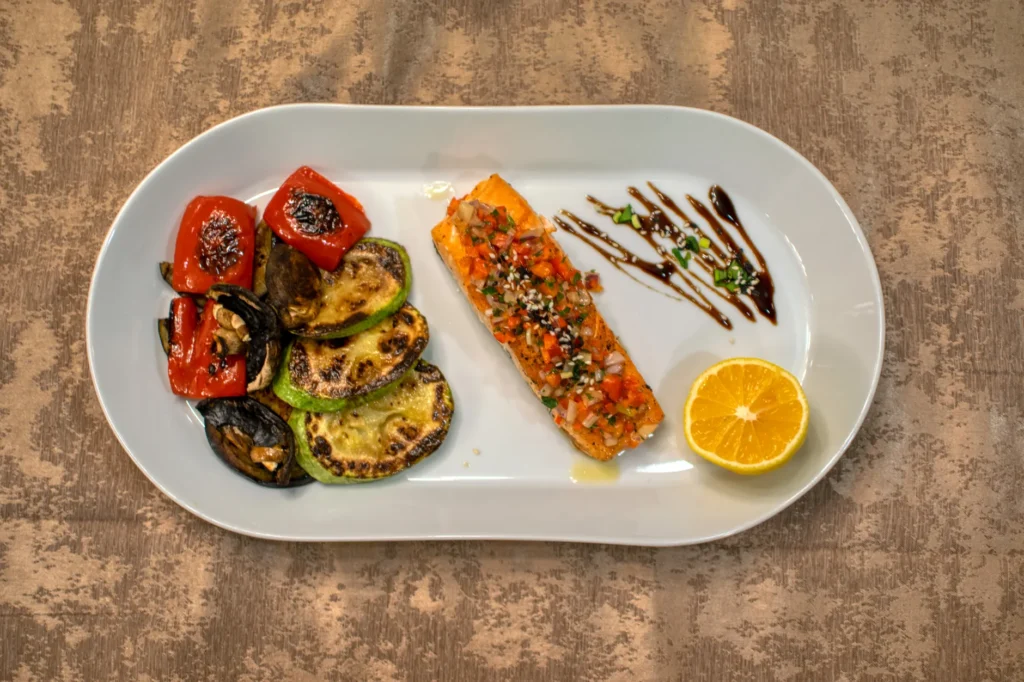
In practice, many readers ask whether fortified dairy products or margarines are enough to close the gap. They make a real but modest contribution, and do not replace naturally concentrated sources such as oily fish or egg yolk. A meal made of grilled salmon, a portion of vegetables and a fibre-rich side contributes both to vitamin D intake and to modulating the gut microbiome, which itself plays a part in immune regulation. That link between microbiome and immunity is developed in an article devoted to the microbiome and longevity, complementary to the strictly dietary question raised here.
One point deserves nuance: cooking changes the vitamin D content of certain foods, particularly mushrooms, which lose part of their contribution if boiled for a long time rather than briefly pan-fried or roasted. Similarly, how oily fish is preserved, fresh rather than tinned in a poor quality oil, influences the amount actually absorbed. These details, often neglected, explain why two people who say they eat the same thing can show very different blood levels. Attention to preparation counts as much as the choice of food itself.
How does vitamin D act on the gut and digestive inflammation?
Vitamin D acts directly on the intestinal wall, where it takes part in regulating permeability and in modulating the local flora, two mechanisms linked to chronic low-grade inflammation. Recent work explores precisely the interplay between vitamin D, gut flora and the immune system in preventing certain digestive conditions, particularly at colorectal level (Unraveling colorectal cancer prevention: the vitamin D – gut flora – immune system nexus, World J Gastrointest Oncol, 2024). That digestive dimension of vitamin D is often ignored by the general public, who mainly associate it with bones and respiratory immunity, whereas it also acts deep on the intestinal lining.
In children, a review showed that vitamin D played a part in several digestive disorders, through a mechanism that remains relevant, in its broad lines, for understanding adult physiology (The Crosstalk between Vitamin D and Pediatric Digestive Disorders, Diagnostics, 2022). For an adult, that translates concretely into attention to recurrent bloating, chronic bowel habit changes or a new food sensitivity, signals worth cross-referencing with a vitamin D measurement rather than treating in isolation. The link between digestive inflammation and general inflammation is often underestimated, whereas it shapes a good part of the symptoms reported in appointment.
Here is a case that illustrates this cross-referencing between diet, blood measurement and gradual adjustment. Jean-Marc, 73, a former director of a hospital in Dijon, came to consult after noticing a loss of independence in his older brother, a trigger that pushed him to check his own markers despite the absence of clear symptoms. His panel revealed a 25-hydroxyvitamin D level of 19 ng/mL, well below the optimal zone, associated with a slight rise in an inflammatory marker. Three levers were put in place: two portions of oily fish a week, a daily egg at breakfast, and supplementation prescribed by his GP for twelve weeks. At the next check his level had reached 31 ng/mL, with a felt improvement in his tolerance to effort during his walks around his town.

What does a blood panel show about inflammation and vitamin D?
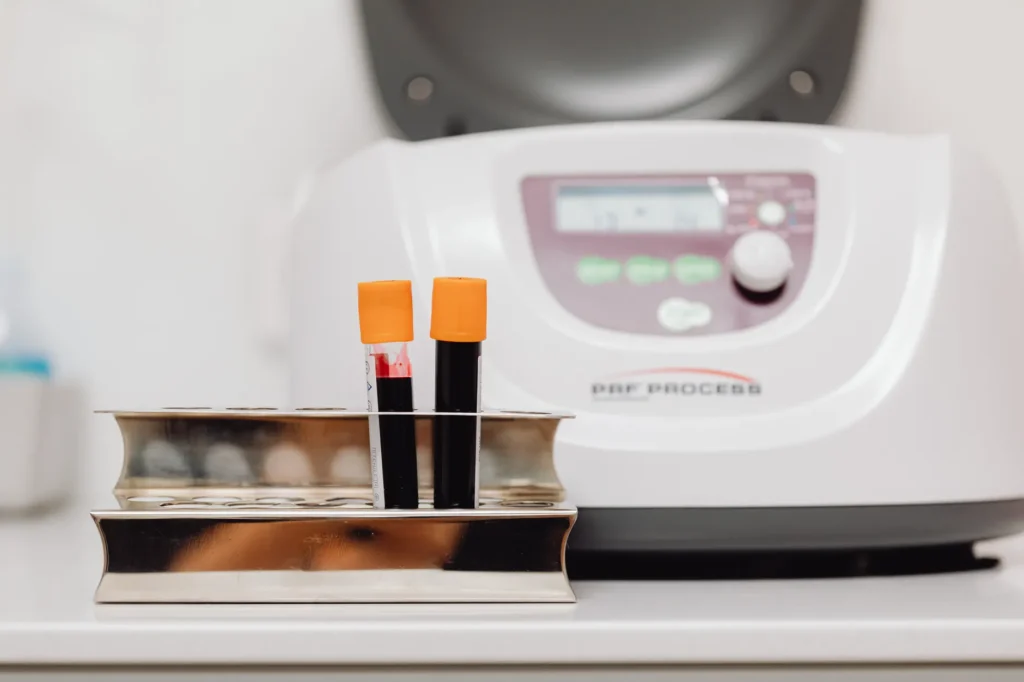
A blood panel gives a precise measurement of the 25-hydroxyvitamin D level and lets it be cross-referenced with one or two inflammatory markers, which gives a far more reliable picture than simply observing symptoms. A level below 20 ng/mL is generally considered a deficiency, while the optimal zone sits between 30 and 50 ng/mL according to current clinical benchmarks (Cholecalciferol (vitamin D3): efficacy, safety, and implications in public health, Front Nutr, 2025). That measurement, simple to prescribe, is still too rarely requested routinely, whereas it directly informs the dietary strategy to adopt.
Reading a blood panel after 45 deserves particular attention, because laboratory norms do not always match the optimum sought to prevent chronic inflammation, a subject detailed in an article devoted to reading the blood panel after 45. A level judged normal by a laboratory can still leave significant room for improvement, particularly if other inflammatory markers also need watching. It is that cross-reading which shows whether diet is enough or whether medical advice on supplementation is justified.
Severe immunodeficiency remains rare and calls for specialist care, very different from a simple vitamin D insufficiency linked to lifestyle, as the reference file on severe combined immunodeficiency published by Inserm reminds us (Severe combined immunodeficiency file, Inserm). So there is no need for excessive worry about a slightly low level, but it should be placed methodically, on a regular panel, so as to adjust diet and sun exposure in proportion rather than by intuition.
Should you combine diet and supplements for a lasting correction?
Combining diet and supplements becomes relevant when the blood level stays low despite regular dietary intake, a frequent situation in autumn and winter in regions with little sunshine. Diet alone quickly reaches its limits against daily needs that far exceed the quantities the richest foods can provide, and that is precisely why targeted supplementation, prescribed after a measurement, remains the most effective tool for correcting an established deficiency. It does not remove the need to look after your diet, the two approaches complement rather than exclude each other.
The frequency and dose of supplementation must be set with a doctor, according to the starting level, weight, age and usual sun exposure. A blood check after eight to twelve weeks confirms the progress and allows adjustment if needed, rather than continuing a fixed dose with no feedback. The symptoms that should alert you even before that measurement, such as unusual fatigue or repeated infections, are detailed in an article devoted to the signs of vitamin D deficiency, useful for knowing when to start the process without waiting for a routine panel.
That logic of gradual, measured and personalised adjustment matches the way a structured programme works over time. Rather than changing ten things at once, it is about identifying two or three precise levers, dietary and sometimes supplementary, then checking their real effect on measured markers before adjusting what comes next. The simplest path is to ask for a vitamin D measurement at your next blood test, to review two or three concrete eating habits, and to plan a new check after two to three months. To structure that process with regular follow-up, a 30-minute call, free and with no commitment, lets you assess the situation before booking an assessment and building a plan suited to your rhythm of life.

Going further
- spotting silent inflammation on a blood panel and bringing it down
- the markers that let you estimate your biological age
Sources
- Cholecalciferol (vitamin D3): efficacy, safety, and implications in public health, Front Nutr, 2025
- Regulation of immune function in healthy adults, Appl Physiol Nutr Metab, 2023
- Dietary Derived Micronutrients Modulate Immune Responses Through Innate Lymphoid Cells, Front Immunol, 2021
- Unraveling colorectal cancer prevention: the vitamin D – gut flora – immune system nexus, World J Gastrointest Oncol, 2024
- The Crosstalk between Vitamin D and Pediatric Digestive Disorders, Diagnostics, 2022
- Severe combined immunodeficiency file, Inserm
Frequently asked questions
Which foods are richest in vitamin D?
Oily fish such as salmon, mackerel or herring come first, followed by egg yolk, cod liver and certain mushrooms exposed to UV. Dairy products and some fortified margarines supply some too, but in more modest amounts. None of these foods covers an adult’s daily needs on its own.
Is diet enough to cover vitamin D needs?
Rarely in full. Even a diet rich in oily fish several times a week supplies a fraction of the recommended intake, because skin synthesis under the effect of the sun remains the main source for most adults. Diet plays a supporting role, not a single solution, especially in autumn and winter.
Can you be deficient in vitamin D despite a balanced diet?
Yes, it is even the most common situation. A varied diet and regular meals do not prevent a low level if sun exposure is insufficient, if the skin is dark or older, or if body weight sequesters part of the vitamin D. Only a blood measurement can confirm it.
How long does it take to correct a deficiency through diet?
Through diet alone, correction is slow, often several months, because the amounts supplied remain small compared with needs. Supplementation supervised by a doctor generally acts faster, with a new blood check suggested after eight to twelve weeks to adjust the dose if needed.
Should you avoid certain foods when watching your inflammation?
There is no food to ban purely because of vitamin D, but an excess of ultra-processed products and fast sugars maintains an inflammatory terrain that reduces the value of vitamin D intake. The overall balance of the diet counts as much as the list of foods that contain it.
How do you know whether your diet covers your vitamin D needs?
The only reliable way is a blood measurement of 25-hydroxyvitamin D, prescribed by a doctor. It places your level against reference zones and lets you decide, with a health professional, whether diet is enough or whether targeted supplementation is useful depending on season and lifestyle.
Latest from the blog
Read next
 Omega 3: benefits for inflammation and immunity
Omega 3 benefits for inflammation and immunity: mechanisms, biological thresholds, mistakes to avoid and a clear plan for busy executives.
Read the article
 Omega-3: which foods to favour against inflammation
Omega-3 is found mainly in oily fish from cold seas, such as sardines, mackerel, herring and salmon, and in certain…
Read the article
 Low HDL cholesterol: what it says about metabolism
Low HDL cholesterol means a level below 1 gram per litre of blood in men and 1.2 grams per litre…
Read the article