
Vitamin D: inflammation and immunity
Vitamin D limits chronic low-grade inflammation and supports the proper functioning of the immune system, provided the level in your blood is high enough.

By Benjamin Sant · Updated 24 September 2026
Vitamin D limits chronic low-grade inflammation and supports the proper functioning of the immune system, provided the level in your blood is high enough. It acts on immune cells by moderating their response: not too weak against an infection, not so excessive that it maintains a permanently inflammatory environment. A deficiency, very common after 45, encourages that imbalance without giving any clear symptom for a long time. It is detected only through a blood test, never through fatigue alone or intuition.
Sophie, a 51-year-old senior executive, consults for fatigue that has dragged on since the autumn and repeated colds she had never had before. Her blood panel reveals a marked vitamin D deficiency, associated with a slightly elevated C-reactive protein, a sign of discreet inflammation. Nothing dramatic, nothing that justifies an urgent medical alert, but a picture consistent with what many active people experience without knowing it. This article explains why the link between vitamin D, inflammation and immunity deserves to be taken seriously, and how to act without excess or neglect.
Why does vitamin D influence inflammation?
Vitamin D influences inflammation because it plays a direct part in regulating immune cells, in particular lymphocytes and macrophages. These cells carry specific vitamin D receptors, which allows them to modulate their activity according to how much is available in the blood. When the level is right, the immune response stays proportionate to the real threat.
When it becomes insufficient, that braking mechanism loses efficiency. Immune cells then tend to produce more pro-inflammatory molecules, called cytokines, even in the absence of an identifiable outside attack. The phenomenon has a precise name: low-grade inflammation. It causes neither fever nor acute pain, but it wears down tissues and blood vessels over time.
This silent inflammatory environment is now recognised as a factor associated with accelerated ageing of several organs, from the cardiovascular system to the joints. Vitamin D is obviously not the only lever to contain it, but it is among the easiest to correct, since a simple blood measurement is enough to objectify the problem.
Health authorities regularly point to the importance of this inflammatory environment in the most common chronic diseases, cardiovascular ones in particular. The WHO file on cardiovascular disease stresses how much prolonged vascular inflammation is a risk factor in its own right, distinct from cholesterol alone. Vitamin D belongs to the same logic of an environment worth monitoring.
For an executive juggling travel and short nights, this mechanism deserves attention. Chronic inflammation and lack of sleep feed each other, and vitamin D acts on both fronts at once, supporting immunity and indirectly contributing to the quality of night-time rest, notably through its role in muscle and hormone regulation.
Which signs should make you think of a deficiency?
Fatigue not explained by your workload, winter infections more frequent than usual and diffuse muscle pain should make you think of a vitamin D deficiency. None of these signs is specific on its own, but their combination, especially at the end of winter, should prompt you to ask for a measurement rather than settle for a guess. The symptoms to look out for and the steps to take are detailed in vitamin D deficiency, symptoms and solutions.
People who work indoors all week, who wear covering clothes or who live at latitudes with little sun for much of the year are at higher risk. Age also plays a part: the skin synthesises vitamin D less efficiently from sunlight after 50, for reasons linked to skin ageing.
Some very busy executives neglect the subject because they associate vitamin D with childhood or with the bone fragility of older people. That view is incomplete. The immune and inflammatory role of this vitamin concerns every adult age, and a deficiency present for several years can contribute to a fragile environment well before visible bone problems appear.
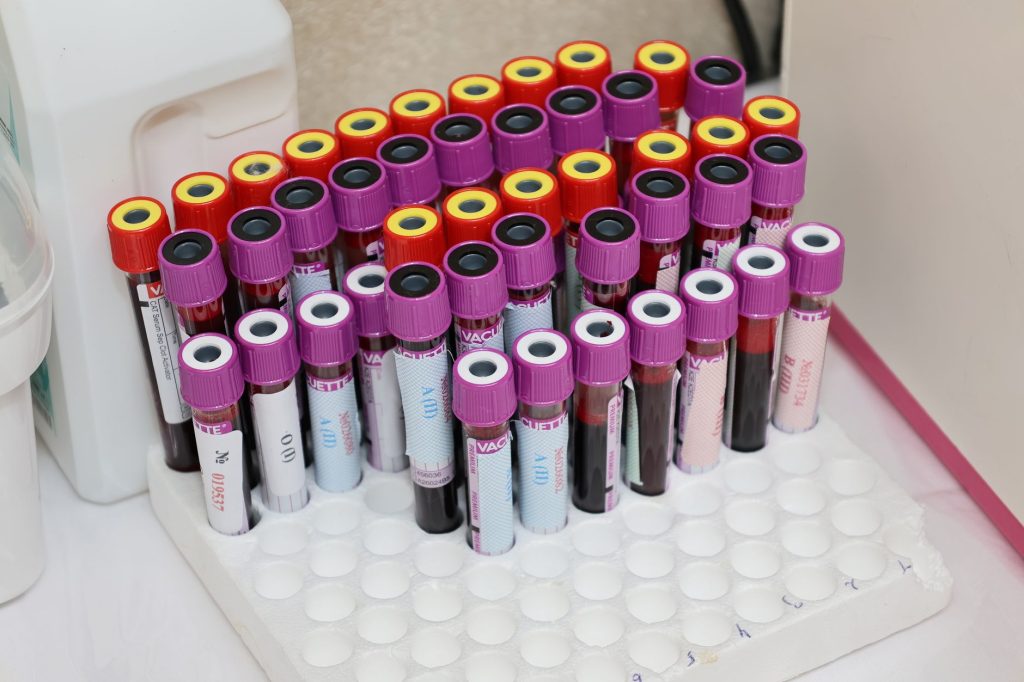
The only reliable way to confirm a deficiency remains a blood measurement of 25-hydroxyvitamin D, to be requested during a standard panel. This marker rarely appears in routine tests unless explicitly asked for. A reader paying attention to their blood test after 45 would do well to check whether this measurement is already included, or to request it at the next blood draw.
A vitamin D deficiency often coexists with other discreet signals of inflammation, such as a slightly raised C-reactive protein. Taken in isolation, these markers look harmless. Put together, they outline an environment worth correcting before it settles in for good, especially in an active person who places heavy demands on their body.
How does vitamin D support immunity day to day?
Vitamin D supports immunity by helping defence cells tell a real threat from a harmless signal, which prevents a disproportionate immune response. It also takes part in the production of natural antimicrobial peptides, a first line of defence against certain pathogens, particularly in the respiratory mucosa.
This function explains why winter infections, respiratory ones in particular, are more frequent in people with a deficiency. The link is neither automatic nor systematic, but the association has been observed in many studies on the subject, and it justifies particular vigilance in late autumn and winter, when sun exposure drops sharply at our latitudes.
Immunity obviously does not depend on a single factor. Sleep, diet, chronic stress levels and physical activity matter just as much. Vitamin D acts as one link among others, but a link that is easy to correct once identified, unlike other factors that are more complex to adjust quickly.
In people who already have a chronic inflammatory environment, often linked to prolonged work stress, correcting a vitamin D deficiency is part of a global approach. It is not enough on its own to lower markers such as cortisol or C-reactive protein, but it removes an identifiable, measurable aggravating factor.
An executive who travels a lot, sleeps little and rarely gets daylight exposure often accumulates several factors of immune weakening at once. Correcting vitamin D does not solve everything, but it removes a concrete, objectifiable obstacle, and that often has a knock-on effect on the motivation to adjust the other daily levers.
What are the best sources of vitamin D?
Moderate sun exposure remains the most effective source of vitamin D, because the skin synthesises it directly under ultraviolet B rays. Fifteen to twenty minutes of exposure on the forearms and face, several times a week outside the hottest hours, is generally enough in spring and summer for a person with no particular risk factor.
Diet provides a supplement, never enough on its own. Oily fish such as salmon, mackerel or sardines, eggs and certain fortified dairy products contain vitamin D in notable amounts. This nutrition file connects to broader issues covered in the Inserm file on nutrition and health, which stresses the importance of a varied diet to support overall immune function.
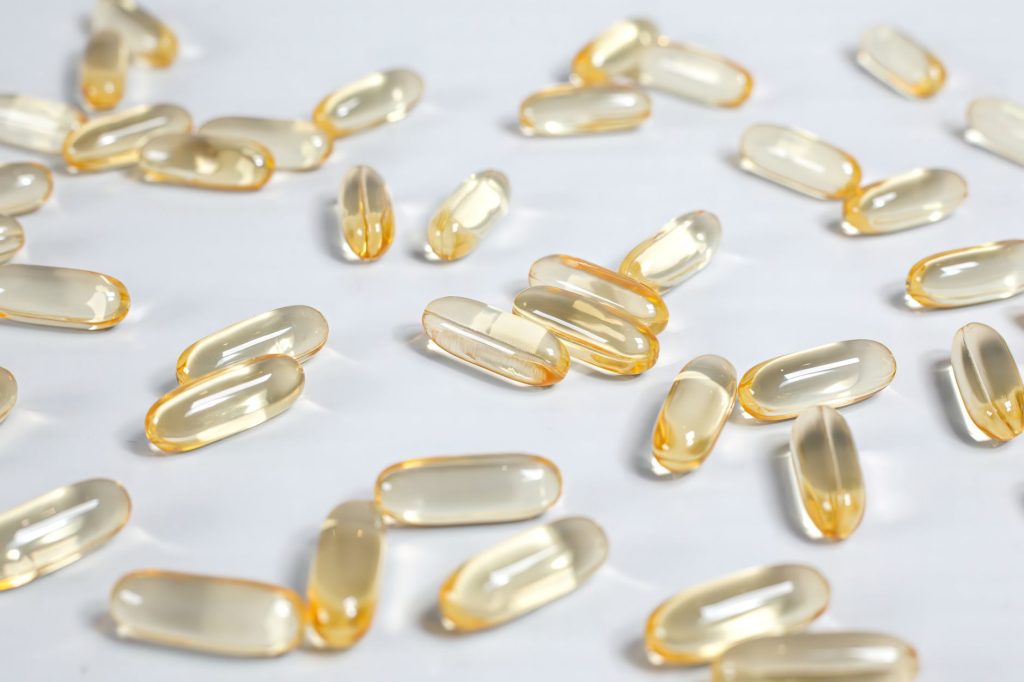
In winter, at French latitudes, skin synthesis becomes virtually nil for several months. That is when deficiencies deepen most, particularly in people who work indoors from morning to evening. Targeted supplementation, discussed with a doctor, then often becomes relevant to maintain a correct level.
Supplementation should never be done blindly. A prior measurement allows the dose and duration of treatment to be adjusted to the real situation, since prolonged excess vitamin D can cause kidney and cardiovascular problems. Medical caution is essential here, as with any substance that acts on several systems at once.
The overall quality of your diet also matters beyond vitamin D intake alone. A reader who wants to structure their meals without spending hours on it will find useful markers in the article on eating well when the days run over, which sets out a simple method to keep going over time without complicating daily life.
Vitamin D and other markers of inflammation, what is the link?
Vitamin D is one of several markers to monitor together when assessing an inflammatory environment, alongside C-reactive protein, homocysteine and sometimes fibrinogen. No marker taken alone tells the whole story, but reading them together gives a more faithful picture of the real inflammatory state of a body.
A person can have a correct vitamin D level and a high C-reactive protein, revealing inflammation of a different origin, sometimes linked to chronic stress or an unbalanced diet. The opposite also exists: an isolated vitamin D deficiency, with no other disturbed marker. That is why a complete panel remains preferable to a single measurement interpreted on its own.
For a reader who wants to understand more broadly how to spot this environment before it becomes a problem, the article on silent inflammation and how to detect it on a blood test details the other markers to watch and the thresholds that deserve attention, alongside the vitamin D measurement.
Chronic stress, often overlooked in this picture, also maintains an inflammatory environment conducive to increased vitamin D consumption by the body. People under heavy professional demands sometimes accumulate both factors without knowing it, which explains why an isolated approach to a single marker rarely produces satisfactory results over time.
In Sophie’s case, the gradual correction of the vitamin D deficiency, combined with adjustments to sleep and diet, led within a few months to a stabilisation of C-reactive protein and a clear reduction in winter fatigue episodes. That kind of trajectory illustrates the value of reading markers together rather than correcting one in isolation.

Should you take vitamin D all year round?
Supplementing all year round is not systematically necessary; it depends on the measured blood level and on each person’s lifestyle. Someone who gets regular sun from March to October and eats oily fish several times a week may only need extra intake during the winter period, on medical advice.
Conversely, someone who works indoors all year, lives at latitudes with little sun or whose skin synthesises vitamin D less efficiently with age may benefit from more regular follow-up, with repeated measurements to adjust the dose through the seasons rather than renewing a fixed prescription.
This logic of monitoring over time connects to a broader approach to health after 50, where a single marker corrected once is not enough if it is not reassessed regularly. The article on biological age and the markers that really count takes up the same idea of longitudinal follow-up rather than a single snapshot.
The steps remain simple: request an annual blood measurement, ideally in late autumn, discuss the results with a doctor and adjust sun exposure, diet and any supplementation accordingly. No lasting decision should rest on intuition or on a single figure without context.
Structured support allows you to go further than this single marker, by cross-referencing vitamin D with your whole inflammatory, hormonal and metabolic profile. At Elite Longevity, this work starts with a thirty-minute call, free and with no commitment, to review your situation and determine the priority markers to explore. You can book an assessment to begin the process.
Sources
- Vitamin D: immune function, inflammation, infections and auto-immunity, Paediatr Int Child Health, 2023
- Immunologic Effects of Vitamin D on Human Health and Disease, Nutrients, 2020
- Vitamin D, infections and immunity, Rev Endocr Metab Disord, 2022
Further reading
- the signs of a deficiency often blamed on tiredness
- spotting low-grade inflammation on an ordinary blood panel
- omega-3: the foods that really work against inflammation
- vitamin D: the foods that reduce inflammation
Frequently asked questions
What is the link between vitamin D and inflammation?
Vitamin D acts as a regulator of the immune system. It modulates the activity of certain immune cells and limits the excessive production of inflammatory molecules. When its level is low, that regulation becomes less effective and a low-grade inflammatory environment can settle in more easily, without visible symptoms for a long time.
How do you know whether you are short of vitamin D?
Only a blood test measuring 25-hydroxyvitamin D can tell you for certain. Some signs may alert you, such as persistent fatigue, repeated infections or diffuse muscle pain, but they are not specific. An annual measurement, discussed with a doctor, remains the only reliable way to settle the question.
Can vitamin D really strengthen immunity?
It contributes to the proper functioning of immune defences without strengthening them in the sense of greater performance. A correct level allows the immune system to respond in a balanced way, neither too weakly nor too excessively. Correcting a proven deficiency supports that functioning, but it does not make you immune to infections.
How long does it take to correct a vitamin D deficiency?
Depending on how large the deficit is, gradual correction usually takes several weeks to a few months, with a follow-up blood test. Regular sun exposure and an adapted diet help maintain the level once correction has been achieved, particularly before winter.
Can you take vitamin D without medical advice?
Occasional low-dose supplementation is generally safe, but prolonged excess can cause problems, particularly for the kidneys and the cardiovascular system. A prior blood measurement and medical advice allow the dose and duration to be adjusted to each person’s real situation.
What can you do in practice to monitor vitamin D after 50?
Request an annual blood measurement, ideally in late autumn, before the period when sun exposure drops sharply. If a deficiency is confirmed, personalised support allows you to adjust supplementation, diet and outdoor activity, then check how the marker evolves over time.
Latest from the blog
Read next
 Omega 3: benefits for inflammation and immunity
Omega 3 benefits for inflammation and immunity: mechanisms, biological thresholds, mistakes to avoid and a clear plan for busy executives.
Read the article
 Omega-3: which foods to favour against inflammation
Omega-3 is found mainly in oily fish from cold seas, such as sardines, mackerel, herring and salmon, and in certain…
Read the article
 Low HDL cholesterol: what it says about metabolism
Low HDL cholesterol means a level below 1 gram per litre of blood in men and 1.2 grams per litre…
Read the article